
Competitive Gaming in 2026: Your Complete Guide to Esports, Strategy, and Success
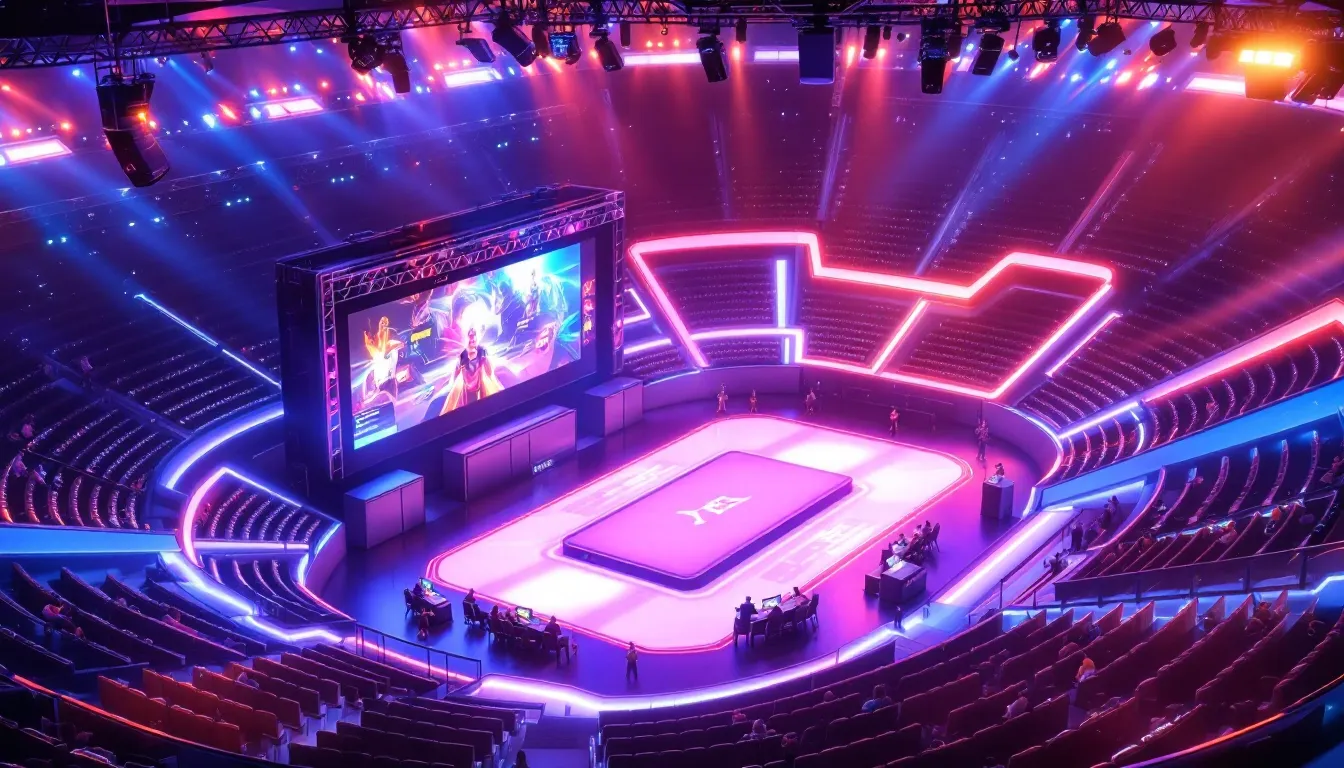
The landscape of competitive gaming has transformed from basement LAN parties into packed arenas and multi-million dollar prize pools. In 2026, esports isn’t just entertainment, it’s a legitimate career path, a spectator sport rivaling traditional athletics, and a global phenomenon touching every platform from PC to mobile. Whether you’re grinding ranked matches hoping to go pro or just curious about what separates a casual lobby from a championship-level match, understanding competitive gaming means grasping both its culture and its mechanics. This guide breaks down everything from genre fundamentals and gear requirements to the business ecosystems that make professional gaming possible, giving you the roadmap to navigate this fast-evolving world.
Key Takeaways
- Competitive gaming spans multiple genres—FPS, MOBAs, fighting games, battle royales, and sports sims—each requiring distinct skill sets and strategic approaches, with FPS and MOBA titles dominating Western esports.
- Success in competitive gaming requires intentional practice through aim trainers and VOD analysis, proper gaming gear (144Hz+ monitor, low-latency internet), and specialization in a single title or role to accelerate improvement.
- Professional esports careers are now formalized with structured franchised leagues, player salaries exceeding six figures, sponsorship deals, and established pathways from ranked climbing through amateur tournaments to tier-2 teams and pro organizations.
- Mobile esports is driving explosive global growth, particularly in Asia and developing regions, democratizing competitive gaming access beyond expensive PC setups and broadening the talent pool across diverse geographies.
- Mental health management, including tilt prevention, burnout avoidance, and structured breaks, is equally critical to mechanical skill development for sustaining long-term performance in competitive gaming.
- Revenue streams beyond tournament winnings—including sponsorships, streaming, and content creation—now represent the primary income for professional players, with top competitors earning six figures monthly from these sources.
What Is Competitive Gaming?
Competitive gaming refers to any organized play where players or teams face off with the goal of winning through skill, strategy, and execution. Unlike casual play, where progression or fun takes priority, competitive gaming focuses on measurable performance, rank, tournament placement, win rate, and individual stats. It spans everything from local tournaments at gaming cafes to internationally broadcast events like The International or League of Legends World Championship.
The Evolution of Esports and Competitive Play
Competitive gaming has roots stretching back to the 1970s arcade era, but esports as we know it emerged in the late ’90s and early 2000s with titles like StarCraft, Quake III Arena, and Counter-Strike 1.6. South Korea led early adoption, treating StarCraft pros as celebrities and establishing PC bangs as cultural institutions.
By the 2010s, streaming platforms like Twitch gave competitive gaming mass accessibility. Games like League of Legends and Dota 2 pioneered the free-to-play model with massive esports backing, while publishers began treating tournaments as marketing pillars rather than community side projects. In 2026, esports viewership rivals traditional sports in key demographics, with major events pulling tens of millions of concurrent viewers and prize pools regularly exceeding $10 million.
The infrastructure has matured too. Franchised leagues in games like Overwatch and Call of Duty provide team stability, player unions are emerging, and collegiate esports programs offer scholarships at hundreds of universities worldwide. What was once a hobby has formalized into an industry with career longevity, health benefits, and retirement planning.
Competitive Gaming vs. Casual Gaming: Key Differences
The divide isn’t just about skill, it’s about approach. Casual gamers play for relaxation, story, or social connection. They might avoid meta builds, experiment with off-kilter strategies, or play without voice comms. Competitive players treat games as skill laboratories. They drill mechanics, study opponent tendencies, optimize loadouts down to attachment choices, and analyze replays frame-by-frame.
Ranked modes formalize this split. Matchmaking rating (MMR) systems pair players of similar skill, creating environments where every match tests improvement. Casual modes remove rank pressure but also reduce incentive for optimal play. The mental stakes differ too, competitive gaming involves tilt management, communication discipline, and the pressure of representing a team or personal brand.
Another key distinction: competitive gaming often requires specialization. Where a casual player might dabble across genres, competitive players master one title, sometimes one role or character within that title, to reach elite performance. This depth-over-breadth approach is what separates a Gold player from a professional.
Popular Competitive Gaming Genres and Titles
Different genres reward different skill sets, and the competitive scene for each has unique cultures, formats, and skill ceilings.
First-Person Shooters (FPS)
FPS games dominate Western esports, emphasizing aim precision, map knowledge, and snap decision-making. Counter-Strike 2 remains the gold standard for tactical shooters, where economy management and utility usage matter as much as raw aim. Matches hinge on 5v5 bomb-defusal rounds with no respawns, creating high-stakes moments every round.
Valorant blends CS mechanics with hero abilities, lowering the skill floor while adding strategic complexity through agent picks and ability combos. Its ranked ladder and franchised league (VCT) have grown steadily since launch. Meanwhile, Call of Duty esports focuses on respawn modes and Search & Destroy, rewarding aggressive play and rapid target acquisition. The CDL (Call of Duty League) operates as a city-based franchise model similar to traditional sports.
Tactical resources like detailed weapon analysis help players optimize TTK (time-to-kill) and recoil patterns, essential for climbing ranked ladders in any FPS.
Multiplayer Online Battle Arenas (MOBAs)
MOBAs represent the most complex competitive genre, combining real-time strategy, team coordination, and individual mechanics. League of Legends leads with over 150 champions, five distinct roles, and a meta that shifts every two weeks via patches. Professional play revolves around draft phase strategy, jungle pathing, and teamfight execution, with the LCK (Korea), LPL (China), and LEC (Europe) producing world-class talent.
Dota 2 offers even greater complexity, denying creeps, item builds with active abilities, and buyback mechanics create decision trees that take years to master. The International remains esports’ most prestigious single tournament, with 2025’s prize pool surpassing $15 million. Both titles demand hundreds of hours just to grasp fundamentals, making them notorious barriers for newcomers but deeply rewarding for those who commit.
Fighting Games
The fighting game community (FGC) operates differently from other esports, grassroots tournaments, offline events, and individual rather than team competition define the scene. Street Fighter 6 revitalized the genre with Drive System mechanics and robust ranked play, while Tekken 8 continues the 3D fighter legacy with frame-perfect juggles and mix-up heavy gameplay.
Guilty Gear Strive and Mortal Kombat 1 round out the major titles, each with distinct mechanics but shared emphasis on frame data knowledge, combo execution, and reading opponent habits. Fighting games reward 1v1 accountability, there’s no team to blame, just your inputs and decisions. Tournaments like EVO showcase the genre’s peak, where single-elimination brackets create legendary moments.
Battle Royale Games
Battle Royales blend survival, shooting, and positioning across massive maps. Fortnite competitive scene emphasizes building mechanics alongside aim, with cash cups and FNCS tournaments offering millions in prizes. The game’s constant updates keep the meta unstable, requiring adaptability.
Apex Legends competitive play focuses on team composition (typically one IGL, one fragger, one support), zone rotations, and third-party management. ALGS tournaments use a points-per-kill and placement system across multiple matches, rewarding consistency over single-game heroics. PUBG esports, while less dominant in the West, thrives in Asia with tactical, slow-paced gameplay and punishing circle RNG.
Unlike other genres, battle royales introduce randomness through loot spawns and circle placement, meaning even pro players can’t win every match, consistency across tournaments matters more than individual game dominance.
Sports and Racing Simulators
Sports sims like FC 25 (formerly FIFA) and NBA 2K25 have thriving competitive scenes, particularly in regions where real-world sports dominate culture. FC esports features Ultimate Team modes and Pro Clubs, with eChampions League mirroring UEFA’s real tournament structure. NBA 2K’s MyTEAM and Pro-Am modes create competitive environments, though pay-to-win accusations sometimes plague these titles.
Racing sims like iRacing and Gran Turismo 7 attract both gamers and real-world racing drivers. iRacing’s laser-scanned tracks and realistic physics make it a training tool for NASCAR and F1 drivers, while GT7’s manufacturer series partners with actual car companies for marketing and talent scouting. These games reward precision, racecraft, and setup knowledge over twitch reflexes.
How to Get Started in Competitive Gaming
Breaking into competitive gaming requires more than just playing a lot, it demands intentional practice, proper tools, and realistic goal-setting.
Choosing Your Game and Platform
Pick a game you genuinely enjoy, because the grind to competency takes hundreds of hours minimum. Consider the game’s competitive health, active ranked populations, regular balance patches, and established tournament circuits indicate long-term viability. Games like League, Valorant, and CS2 have clear ranked ladders and professional pathways. Niche titles might offer less competition but also fewer opportunities.
Platform matters too. PC dominates most esports due to input precision and performance, but console scenes thrive in fighting games and specific shooters. Cross-platform play complicates this, Fortnite and Rocket League allow mixed lobbies, but input-based matchmaking often separates controller from mouse-and-keyboard players due to advantage disparities.
Research the game’s skill ceiling. Fighting games and MOBAs have near-infinite mastery curves, while some shooters plateau faster. Choose based on whether you prefer mechanical grinding or strategic depth.
Essential Gaming Gear and Setup
Gear won’t make you good, but inadequate equipment creates artificial skill caps. For competitive play, prioritize:
- Monitor: 144Hz minimum, 240Hz+ preferred for FPS games. 1ms response time and low input lag are non-negotiable. Resolution can stay at 1080p, competitive players sacrifice visual fidelity for frames.
- Mouse and Keyboard (PC): Lightweight gaming mice (60-80g) with quality sensors like PixArt 3370 or equivalent. Mechanical keyboards with low actuation force (linear switches like Cherry MX Red) reduce input delay.
- Headset: Accurate positional audio matters more than bass-heavy marketing. Open-back headphones offer better soundstage for directional cues in FPS games.
- Internet: Wired ethernet connection, not Wi-Fi. Competitive gaming punishes packet loss and jitter harder than raw bandwidth, consistent low latency beats fast but unstable connections.
For console players, look into controller modifications like SCUF paddles or KontrolFreek thumb sticks for competitive FPS titles. Many professional gamers invest heavily in peripherals that match their playstyle preferences.
Don’t neglect ergonomics. Proper desk height, chair support, and monitor positioning prevent injury during long practice sessions. Carpal tunnel and wrist strain end careers.
Building Your Skills and Game Sense
Mechanical skill, aim, movement, combo execution, develops through deliberate practice, not just playing matches. Use aim trainers like Kovaak’s or Aimlabs for FPS games. For MOBAs, practice last-hitting and ability combos in custom games. Fighting game players drill combos in training mode until muscle memory takes over.
Game sense is harder to train. It’s knowing enemy spawn timings, predicting rotations, recognizing win conditions, and making macro decisions under pressure. This comes from reviewing your own gameplay, watching pro matches with analysis, and actively thinking during play rather than autopiloting.
Find a main, whether that’s a role, character, or loadout. Specialization accelerates improvement. A League player who one-tricks Riven will climb faster than someone playing 20 champions casually.
Finally, embrace ranked anxiety. The fear of losing LP or deranking holds players back from necessary risk-taking and experimentation. Treat rank as a measurement, not an identity, and every loss as data for improvement.
The Professional Esports Ecosystem
Professional gaming isn’t just players and tournaments, it’s a complex ecosystem involving organizations, leagues, sponsors, and support staff that make careers possible.
Major Esports Organizations and Teams
Top-tier orgs like Team Liquid, FaZe Clan, T1, Fnatic, and Cloud9 field rosters across multiple titles, providing salaries, coaching, housing (team houses), and performance infrastructure. These organizations operate like traditional sports franchises, with analysts, sports psychologists, nutritionists, and media teams supporting players.
Revenue comes from tournament winnings, league revenue sharing (in franchised systems), sponsorships, and merchandise. Major orgs attract endemic sponsors (hardware companies, energy drinks) and increasingly non-endemic brands (auto manufacturers, financial services) as esports legitimacy grows.
Player contracts have become more sophisticated, typically running 1-3 years with buyout clauses, performance bonuses, and streaming obligations. Top players negotiate six-figure salaries before prize money, though tier-2 and tier-3 players might earn modest wages requiring side income from streaming or content creation.
Orgs also run academy teams and scouting programs, identifying talent from ranked ladders and amateur tournaments. The gap between challenger-level and pro is massive, but structured pathways now exist in most major titles.
Tournament Structures and Prize Pools
Tournament formats vary by game and organizer. Common structures include:
- Single/Double Elimination: Standard bracket play, common in fighting games and some FPS events.
- Swiss System: Players face opponents with similar records until cut-off point, used in CS2 majors.
- Group Stage to Playoffs: Round-robin groups feeding into elimination brackets, typical for MOBAs.
- Battle Royale Multi-Match: Points accumulate across 6-12 games based on placement and kills.
Prize pools have grown exponentially. Dota 2’s The International uses crowdfunding via battle pass sales, reaching $40 million+ in peak years (though 2025 saw intentional reduction to $15M by Valve). League of Legends Worlds distributes $2.2M, but team salaries from franchising dwarf tournament earnings. Fortnite World Cup 2019 hit $30M, though Epic has since shifted to distributed smaller events.
Online qualifiers have democratized access, anyone can register for open brackets, though making it through hundreds of teams requires genuine elite skill. LAN finals still carry prestige, with major events at venues like the Barclays Center or dedicated esports arenas in cities like Seoul and Shanghai.
Pathways to Becoming a Pro Player
There’s no single route, but common patterns emerge:
- Ranked Grinding: Reach top 0.1% of ranked ladder (Radiant in Valorant, Challenger in League, FPL-C in CS2). Scouts monitor leaderboards.
- Amateur Tournaments: Compete in online cups and local LANs to build resume and network.
- Tier-2/3 Teams: Join semi-pro rosters for experience and exposure.
- Trials: Top orgs hold tryouts or scrim against prospects before signing.
- Content/Streaming: Building an audience can attract org attention even without tournament results.
Age matters, most pros peak in their early-to-mid twenties, with reflexes and adaptability declining after. Fighting games and strategic titles show more age diversity than reflex-heavy FPS games. The average career span is 3-5 years at top level, shorter than traditional sports.
Realistic expectations: thousands attempt professional gaming, dozens make sustainable careers. Having a backup plan or treating it as a gap-year experiment rather than sole career bet reduces pressure and ironically often improves performance.
Training and Improvement Strategies
Going pro isn’t just about playing more, it’s about practicing smarter, studying deeper, and managing the mental game.
Developing Mechanical Skills and Reaction Time
Mechanics are trainable through focused repetition. For FPS players, this means aim training routines targeting specific weaknesses, tracking, flicking, or target switching. Break practice into 20-30 minute focused sessions rather than unfocused marathon grinding.
MOBA players benefit from last-hit drills, animation canceling practice, and combo execution until inputs become automatic under pressure. Fighting game execution requires frame-perfect timing, practice mode with frame data display is essential. Many players use metronomes or rhythm training to internalize timing windows.
Reaction time improves marginally with training but has genetic limits. But, anticipation is trainable and often more valuable. Knowing spawn timings, common peek angles, or opponent tendencies lets you pre-aim or pre-input, appearing to react faster than humanly possible.
Physical fitness matters too. Regular exercise improves focus, reaction time, and stamina for long tournament days. Hand and wrist stretches prevent injury from repetitive strain.
Strategic Thinking and Game Knowledge
Understanding why pros make certain decisions separates good players from great ones. Watch tournament VODs with player perspective and comms enabled. Note their positioning before engagements, when they use utility, and how they adapt to opponent strategies.
Platforms offering competitive meta analysis provide tier lists, win rates by rank, and matchup-specific advice. These tools contextualize patch changes and help optimize champion pools or loadouts without requiring hundreds of test games.
Study game-specific fundamentals deeply. In CS2, that’s spray patterns, economy management, and map control. In League, it’s wave management, jungle pathing, and objective priority. Many players plateau because they grind without understanding underlying systems.
Develop a pre-game routine analyzing opponents. Review their recent matches, note tendencies, identify exploitable habits. Even in ranked, checking op.gg or equivalent sites reveals pick patterns and win conditions.
Mental Health and Avoiding Burnout
Competitive gaming’s mental demands rival its mechanical ones. Tilt, emotional frustration causing poor decisions, is every player’s enemy. Recognize its signs (blaming teammates, autopilot play, queue-dodging) and have reset protocols: stepping away for 15 minutes, physical exercise, or switching to unranked.
Burnout happens when practice becomes joyless obligation. Symptoms include declining performance, loss of motivation, and resenting the game. Prevention includes:
- Scheduled breaks: Days off aren’t laziness: they’re recovery.
- Cross-training: Playing other games or activities maintains passion.
- Setting process goals: Focus on controllables (reviewing one VOD daily) rather than outcome goals (hitting Radiant) which create pressure.
Many esports organizations now employ sports psychologists. Techniques like visualization, breathing exercises, and cognitive reframing help manage competition anxiety. The broader competitive landscape recognizes mental performance as equally crucial as mechanical skill.
Sleep and nutrition matter more than energy drinks suggest. Pros on structured teams follow sleep schedules and meal plans to optimize cognitive performance. The stereotype of unhealthy gamers is outdated at elite levels, physical wellness enables peak play.
The Business Side of Competitive Gaming
For players pursuing professional gaming as a career, understanding revenue streams beyond tournament winnings is critical for long-term sustainability.
Sponsorships and Brand Deals
Sponsorship money often exceeds prize pools for established players. Endemic sponsors, peripheral manufacturers like Logitech, Razer, or HyperX, seek partnerships ranging from social media posts to signature product lines. These deals typically pay monthly retainers plus performance bonuses.
Non-endemic sponsors have flooded esports since 2020. Fast food chains, car companies, insurance firms, and even military recruitment advertise through teams and players. Individual sponsorships require personal brand development, consistent content, professional social media presence, and audience engagement.
Contracts vary wildly. Top players might earn $10,000-50,000 monthly from sponsorships, while emerging players get free gear plus small stipends. Exclusivity clauses prevent promoting competing brands, and content quotas mandate minimum posts or appearances.
Negotiation leverage comes from metrics: social following, engagement rates, tournament results, and demographic alignment with sponsor targets. Players often hire agents or managers to negotiate deals, taking 10-20% commission but securing better terms.
Streaming and Content Creation Revenue
Twitch and YouTube provide income through subscriptions, donations, and ad revenue. A mid-tier streamer (500-2000 concurrent viewers) might earn $3,000-10,000 monthly before expenses. Top streamers pull six figures monthly, though this requires entertainment skills beyond pure gameplay.
Revenue breakdown typically looks like:
- Subscriptions: $2.50-3.50 per sub (platform takes cut), with higher percentages for partnered streamers.
- Donations: Direct viewer tips, highly variable.
- Ad Revenue: CPM-based, inconsistent but adds up with volume.
- Sponsorships: Dedicated stream segments or ongoing brand presence.
Consistent scheduling and personality matter as much as skill. Viewers sub for entertainment, not just watching high-level play, pro players must develop on-camera presence. Some excel at educational content, others at comedy or community interaction.
YouTube content (highlight reels, guides, montages) generates passive income and discoverability. Viral moments can boost channel growth exponentially. Many pros hire editors to maintain content output during tournament travel.
Balancing streaming with practice is a common tension. Streaming provides income security but cuts into focused improvement time. Most pros stream 15-25 hours weekly, less during bootcamps or tournament seasons.
Emerging Trends Shaping Competitive Gaming in 2026
The competitive landscape continues evolving rapidly, with several trends reshaping how esports operates and who participates.
Mobile Esports Growth
Mobile competitive gaming has exploded globally, particularly in regions where PC and console penetration lags. Honor of Kings dominates China with prize pools rivaling traditional esports. PUBG Mobile and Free Fire command massive audiences in India, Southeast Asia, and Latin America, where smartphones are primary gaming devices.
Western mobile esports lags but grows. Call of Duty Mobile, Clash Royale, and Brawl Stars feature organized leagues. The stigma around mobile skill ceilings is fading as games introduce complex mechanics, MOBA-style controls, building systems, and team coordination that demand genuine competitive depth. The rise of mobile competitive titles proves that platform matters less than game design and accessibility.
Tournament infrastructure is catching up, with mobile-specific events at venues equipped with charging stations, standardized devices, and controlled network conditions. Prize pools regularly hit six figures, and mobile-exclusive orgs are emerging.
The accessibility angle is massive, anyone with a phone can compete, democratizing esports entry beyond those who can afford $2,000 gaming rigs. This will likely drive participant diversity and geographic expansion over the next decade.
AI-Assisted Training Tools
AI coaching tools have matured from novelty to competitive necessity. Platforms analyze gameplay footage, identifying positioning mistakes, missed opportunities, and pattern inefficiencies. Some tools offer real-time overlay advice during matches, though tournament rules often ban this.
Machine learning models trained on professional gameplay provide opponent tendency analysis, how specific players react under pressure, their favored strategies, and exploitable habits. This was manual scouting work: now algorithms process thousands of matches in minutes.
Aim trainers incorporate AI that adapts difficulty to maintain optimal challenge levels, accelerating improvement curves. Voice-to-text tools combined with sentiment analysis help teams review comms for toxic patterns or communication breakdowns affecting performance.
Controversy exists around competitive integrity, where’s the line between coaching tools and unfair advantage? Most leagues permit post-game analysis tools but ban in-match AI assistance. As tools become more sophisticated, regulations struggle to keep pace.
Some players resist AI training, preferring traditional methods and human coaching. But top teams increasingly employ data analysts who use AI-powered breakdowns, making adoption nearly mandatory at elite levels.
Cross-Platform Competition
Cross-platform play was once a pipe dream due to input method imbalances and technical hurdles. In 2026, it’s increasingly standard. Games like Rocket League, Fortnite, and Call of Duty: Warzone feature cross-play by default, with input-based matchmaking separating controller and mouse-keyboard players when competitive integrity demands it.
This expands player pools, reduces queue times, and allows friend groups on different platforms to compete together. For esports, it means tournaments can pull from broader talent pools rather than segregating by platform.
Challenges remain. Console players face FPS caps (typically 120fps vs. 360+ on high-end PCs), and input lag differences create disadvantages. Some games carry out aim assist for controller players, creating debates about fairness when mixed lobbies occur.
The debate about legitimacy in competitive gaming often touches on these technical equity issues. Ensuring level playing fields across platforms requires careful balancing from developers.
Franchised leagues like CDL chose console standardization to avoid these issues, while PC-centric titles like CS2 ignore cross-platform entirely. The industry hasn’t reached consensus, but the trend toward inclusion and accessibility suggests cross-platform will expand where technically feasible.
Conclusion
Competitive gaming in 2026 represents one of the fastest-growing sectors in entertainment and sports, blending cutting-edge technology, global communities, and legitimate career opportunities. Whether someone’s goal is climbing ranked ladders, understanding the professional ecosystem, or simply appreciating the skill behind championship plays, the foundation remains the same: dedicated practice, strategic thinking, and respect for the grind. The barrier to entry has never been lower, with accessible titles, training resources, and pathways from bedroom setups to stadium finals. But make no mistake, reaching elite levels demands the same commitment as traditional athletics, just expressed through different physical and mental skills. As infrastructure matures and mainstream acceptance grows, competitive gaming isn’t just the future of entertainment, it’s already here, and it’s only leveling up from this point.