
GG EZ Gaming Cafe: Your Complete Guide to This Premier Gaming Destination in 2026
Gaming cafes have evolved beyond dusty LAN centers with sticky keyboards. They’re now community hubs where competitive gamers sharpen their skills, casual players discover new titles, and friends gather for marathon sessions without the upfront cost of a full PC rig. GG EZ Gaming Cafe represents this new generation of gaming venues, spaces designed with the same attention to hardware, ambiance, and community that serious gamers demand.
Whether you’re grinding ranked matches, testing VR titles before committing to home hardware, or looking for a venue to host your squad’s tournament night, GG EZ offers infrastructure that rivals home setups while fostering the social energy that solo gaming can’t match. This guide walks through everything from the hardware lineup and pricing structure to the cafe menu and event calendar, giving you the intel needed before your first visit.
Key Takeaways
- GG EZ Gaming Cafe functions as a modern community hub offering high-performance gaming hardware—from 240+ FPS competitive PC setups to VR experiences—that eliminates upfront investment barriers while fostering in-person competition and social connection.
- Hourly rates range from $5–10 for standard stations to $10–15 for premium setups, with membership plans ($80–200/month) providing better value for regular visitors and exclusive tournament access.
- GG EZ differentiates itself through consistent weekly competitive events, skill-based tournament bracketing, private party and corporate booking options, and curated community spaces that transform gaming from a solitary activity into a shared social experience.
- The facility combines esports-grade infrastructure—commercial-grade internet with sub-20ms latency, mechanical peripherals from Logitech and Razer, and acoustically treated spaces—with approachable pricing and casual options that welcome both hardcore and newcomer gamers.
- First-time visitors should check real-time capacity before arrival, start with hourly rates before purchasing memberships, and join the Discord community to coordinate teams and discover upcoming events that match their skill level and interests.
What Is GG EZ Gaming Cafe?
GG EZ Gaming Cafe is a full-service gaming lounge that combines high-performance gaming hardware with cafe amenities and community-focused programming. Unlike traditional internet cafes that treat gaming as an afterthought, GG EZ builds its entire operation around the player experience, from the monitor refresh rates to the chair ergonomics.
The facility caters to multiple gaming demographics simultaneously. Competitive PC gamers find stations equipped with hardware capable of pushing 240+ FPS in esports titles. Console players access current-gen systems with premium displays. VR enthusiasts explore room-scale experiences without needing dedicated home space. Casual visitors can grab a controller for couch co-op sessions or mobile gaming in the lounge area.
What separates GG EZ from basement LAN parties and home setups is the infrastructure investment. We’re talking commercial-grade internet with sub-20ms latency, peripherals from brands like Logitech and Razer refreshed on regular cycles, and acoustic treatment that keeps voice comms clear even during packed tournament nights. The cafe doesn’t just provide access to games, it delivers conditions optimized for performance.
The business model mirrors what successful gaming lounges have proven works: hourly station rentals, tiered membership plans, and revenue from food/beverage service. But GG EZ layers in regular events, from weekly ranked nights to community tournaments with actual prize pools, creating reasons to return beyond just needing a PC.
Location and How to Find GG EZ Gaming Cafe
GG EZ typically operates in metro areas with established gaming communities, cities with existing esports scenes, university populations, and foot traffic that supports cafe operations. Exact locations vary by franchise or ownership group, but most GG EZ venues position themselves near college campuses, entertainment districts, or tech corridors where the target demographic already congregates.
Finding your nearest location starts with checking their official website or social media channels, where hours, address details, and parking information get updated. Most gaming cafes of this tier maintain active Instagram, Discord, and Twitter/X accounts that double as community hubs and info sources.
Parking and accessibility matter when you’re hauling peripherals or showing up with a full five-stack. Look for locations with dedicated parking or easy public transit access. Some GG EZ locations partner with nearby lots for validated parking during off-peak hours.
First-timers should verify hours before showing up, gaming cafes often run extended schedules on weekends (think midnight or later closings) but may have reduced weekday morning availability. Calling ahead or checking real-time capacity via their app (if available) prevents showing up to find every station claimed during a tournament block.
Gaming Setup and Hardware at GG EZ
The hardware roster determines whether a gaming cafe earns repeat visits or becomes a one-time curiosity. GG EZ invests in specs that match or exceed what enthusiast gamers run at home, removing performance as a barrier.
PC Gaming Stations
PC rigs at GG EZ typically feature current or previous-generation CPUs and GPUs capable of maxing out competitive titles at high refresh rates. Expect Intel i7/i9 or AMD Ryzen 7/9 processors paired with NVIDIA RTX 40-series or AMD Radeon 7000-series graphics cards. These aren’t budget builds, stations target 1080p gaming at 240Hz+ or 1440p at 144Hz+ depending on the monitor configuration.
Peripherals lean toward esports standards: mechanical keyboards with Cherry MX or equivalent switches, gaming mice with adjustable DPI settings (typically from brands like Logitech G Pro, Razer DeathAdder, or SteelSeries Rival), and large mouse pads for low-sensitivity aiming. Headsets provide clear audio and mic quality for team comms without bleed, crucial during crowded sessions.
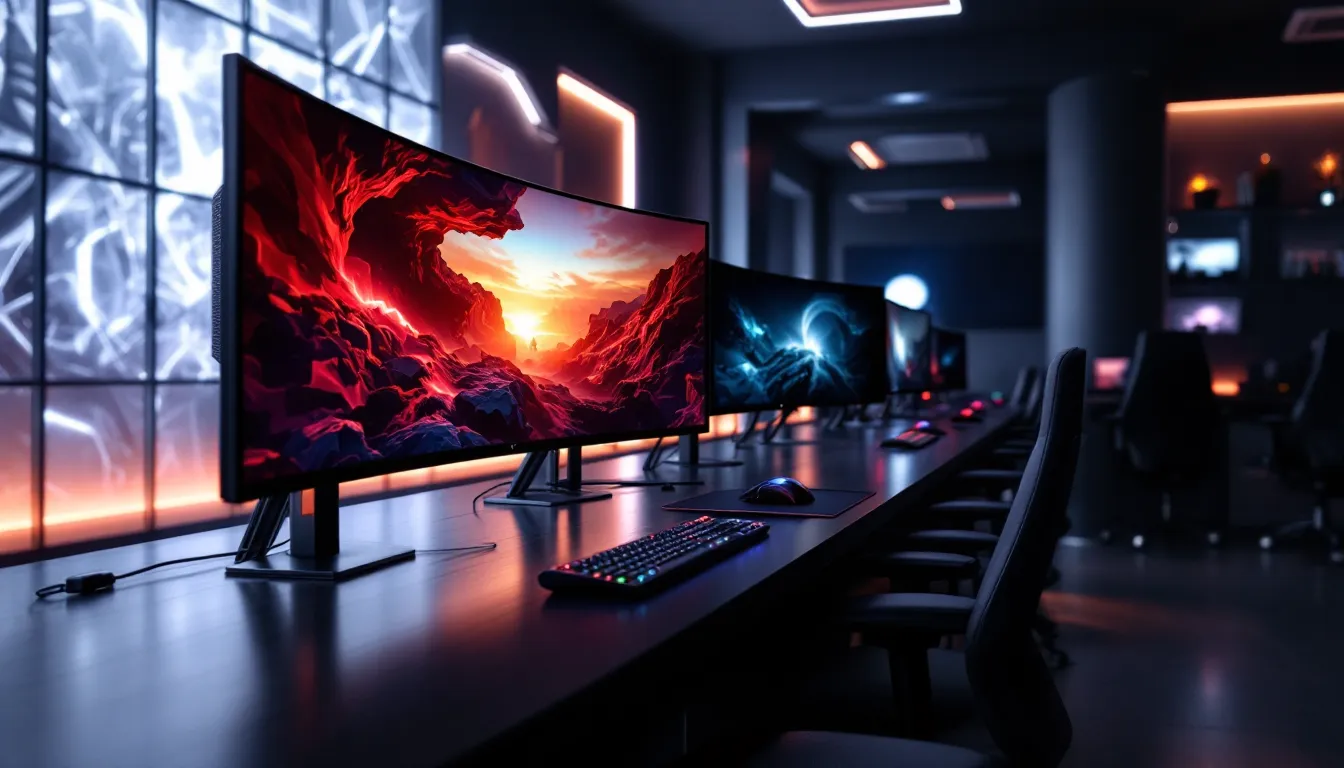
Monitors range from 24-27 inches with 1ms response times and refresh rates between 144Hz and 360Hz. Some premium stations offer ultrawide options for immersive single-player experiences, though competitive players gravitate toward the faster refresh panels.
Software libraries include Steam, Epic Games Store, Battle.net, Riot Client, and EA App pre-installed, with popular titles like Valorant, League of Legends, CS2, Overwatch 2, Apex Legends, and Fortnite ready to launch. Many gaming cafes also maintain subscriptions to Xbox Game Pass for PC, expanding the catalog without requiring individual purchases.
Console Gaming Areas
Console zones feature PlayStation 5 and Xbox Series X systems connected to 4K displays with HDR support and low input lag. These areas often use larger screens (32-55 inches) optimized for couch gaming rather than desk setups.
Controller availability includes first-party options plus premium alternatives like SCUF or Xbox Elite for players who prefer customization. Console libraries typically include physical and digital copies of multiplayer staples, FIFA, NBA 2K, Call of Duty, Halo Infinite, fighting games like Street Fighter 6 and Tekken 8, and party games for casual groups.
Some locations configure consoles for competitive fighting game setups with arcade sticks and monitors instead of TVs, catering to the FGC crowd that demands minimal latency. Adapting the esports gaming infrastructure found in dedicated competitive venues has become standard for cafes targeting serious players.
VR and Simulation Gaming Options
VR stations solve the space and cost barriers that keep many gamers from adopting headsets at home. GG EZ typically offers Meta Quest 3 or Valve Index setups in dedicated play areas with room-scale tracking. Popular titles include Half-Life: Alyx, Beat Saber, Superhot VR, and multiplayer experiences like Pavlov VR.
Simulation rigs might include racing setups with force-feedback wheels, pedals, and motion seats for titles like iRacing, Assetto Corsa Competizione, or F1 2024. Flight sim enthusiasts occasionally find HOTAS (hands-on throttle and stick) configurations for Microsoft Flight Simulator or DCS World, though these are less common than racing rigs due to space requirements.
Pricing, Membership Plans, and Hourly Rates
Pricing structures at gaming cafes balance accessibility with operational costs. GG EZ typically offers both pay-as-you-go hourly rates and membership tiers that reward regular visitors.
Hourly rates for standard PC or console stations generally range from $5-10 per hour depending on location, time of day, and hardware tier. Premium stations (higher refresh monitors, upgraded peripherals, or VR) command $10-15 per hour. Some cafes carry out peak/off-peak pricing, charging more during Friday-Sunday evenings when demand spikes.
Membership plans provide better value for frequent players:
- Monthly unlimited passes often run $80-150, granting unrestricted access during operating hours with priority booking for events
- Tiered memberships might offer blocks of hours (e.g., 20 hours for $60, 50 hours for $120) that roll over month-to-month
- Premium memberships ($150-200/month) can include perks like free drinks, discounted food, exclusive tournament entry, and reserved seating
Many locations offer day passes ($25-40) for weekend warriors or visitors who want extended sessions without committing to monthly plans. Student discounts (typically 10-20% off with valid ID) recognize the college demographic that forms the core audience.
VR and simulation experiences usually price separately, expect $15-25 per hour due to equipment costs and dedicated space requirements. Some cafes bundle VR time with food/drink packages to improve value perception.
Booking systems vary. Walk-ins work for off-peak hours, but weekends and tournament nights often require reservations through an app or website. Cancellation policies typically mirror movie theaters: cancel 2+ hours ahead for full refund, less than that and you might eat the cost.
Food, Drinks, and Cafe Menu Offerings
The “cafe” part of gaming cafe isn’t decoration, food and beverage sales often drive profitability while keeping players fueled during marathon sessions. GG EZ menus balance quick service with options that won’t destroy keyboards.
Beverage lineups prioritize energy drinks and gaming-focused brands. Expect stocked fridges with G Fuel, Monster, Red Bull, and C4 Energy alongside standard sodas, bottled water, and iced coffee. Some locations offer coffee bar service with espresso drinks for morning sessions or late-night grinds. Boba tea has become increasingly common at gaming cafes targeting younger demographics.
Food options lean toward finger foods and items that minimize grease transfer to peripherals:
- Snacks and sides: chips, pretzels, candy, protein bars, instant ramen cups
- Hot food: pizza slices, chicken tenders, wings (often boneless to reduce mess), quesadillas, hot pockets
- Sandwiches and wraps: easy to eat one-handed between matches
- Asian-inspired items: dumplings, spring rolls, bao buns (reflecting gaming culture’s global influences)
Pricing typically runs slightly above convenience store rates but below full restaurant service, think $2-4 for drinks, $5-12 for food items. Combo deals (station time + meal + drink) appear during lunch hours or as membership perks.
Allergy and dietary accommodations vary by location. Larger GG EZ venues might offer vegetarian or vegan options, but smaller operations stick to crowd-pleasers. The gaming community’s growing focus on nutrition and performance has pushed some cafes to expand beyond pure junk food, adding protein-focused options and healthier snacks.
Table service models differ too. Some locations use order-at-counter pickup systems to keep staff lean. Others carry out QR code ordering where players scan from their station and food arrives tableside, minimizing disruption during competitive matches.
Esports Events and Tournaments at GG EZ
Community events transform gaming cafes from rental spaces into hubs that foster competition and social connection. GG EZ programming typically includes regular competitive offerings that cater to different skill levels and game preferences.
Competitive Gaming Nights
Weekly competitive nights focus on specific titles or genres, giving regulars structured opportunities to test skills against local competition. Common formats include:
- FPS nights featuring Valorant, CS2, or Call of Duty with 5v5 team formats or pickup groups for solo players
- Fighting game sessions rotating through Street Fighter 6, Tekken 8, Guilty Gear Strive with bracket tournaments or extended first-to-10 sets
- MOBA evenings for League of Legends or Dota 2 with coordinated 5-stack matches against other cafe teams
- Battle royale competitions tracking kill counts or placement across multiple Apex Legends, Fortnite, or PUBG matches
These nights often waive or reduce station fees for participants, monetizing through food/drink sales and building community that drives repeat traffic. Leaderboards and seasonal rankings add long-term engagement beyond individual sessions.
Skill-based bracketing helps newer players avoid getting farmed by seasoned competitors. Beginner, intermediate, and advanced divisions ensure matches stay competitive regardless of experience level. As gaming culture coverage frequently highlights, inclusive competitive structures expand participation beyond hardcore-only audiences.
Community Tournaments and Prizes
Monthly or quarterly tournaments elevate the stakes with entry fees, prize pools, and structured formats that mirror online competitive play. GG EZ tournaments typically feature:
- Entry fees ranging from free (participation only) to $10-25 per player or team
- Prize pools combining entry fees with cafe contributions, totaling anywhere from $100 store credit to $1000+ cash for major events
- Format variety: single/double elimination brackets, Swiss systems for larger fields, or round-robin group stages feeding into playoffs
- Streaming and production: larger events get broadcast via Twitch with commentary, instant replays, and spectator modes projected on big screens
Winners receive cash, store credit, gaming peripherals, or combination packages. Top performers might earn sponsored memberships or invitations to regional qualifying events for larger tournament circuits.
Casual tournaments maintain accessibility, stuff like Mario Kart or Smash Bros with party-game vibes and prizes that don’t require mortgage-level skill. These draw friend groups and casual players who wouldn’t touch a Valorant ranked night.
Partnership events occasionally bring brand sponsors (peripheral manufacturers, energy drink companies, game publishers) who provide prize support and promotional items in exchange for marketing access to the engaged gaming audience GG EZ cultivates.
Private Party and Group Booking Options
Gaming cafes make surprisingly solid venues for birthday parties, team-building events, and group celebrations that want an alternative to bowling alleys and escape rooms. GG EZ offers private booking options that reserve sections or entire facilities for dedicated use.
Birthday party packages target the 10-18 age range with bundles that include:
- Reserved gaming stations for 2-4 hours
- Food and drink packages (pizza, wings, sodas, energy drinks)
- Tournament or LAN party coordination with brackets and prizes
- Dedicated party host to manage tech issues and keep activities flowing
- Optional add-ons like VR time blocks or console tournament stations
Pricing typically runs $200-500 depending on guest count (usually 8-20 players), duration, and food inclusions. This undercuts traditional party venues while delivering an experience kids actually want versus forced mini-golf.
Corporate team-building events have gained traction as companies recognize gaming as legitimate team collaboration. Half-day or full-day bookings might include:
- Team-based tournament formats requiring communication and strategy
- Rotating game stations to prevent single-game dominance
- Catered meals and meeting space for pre/post-event discussions
- Branded experiences with company logos on leaderboards or custom tournament brackets
These corporate bookings command premium rates ($1000-3000+) but provide unique value for tech companies and gaming-adjacent industries looking to engage employees in their actual interests rather than trust falls.
Private rentals for friend groups, gaming clans, or content creators allow customized experiences without the structure of packaged deals. Rent a section for your squad’s practice sessions, host a LAN party for your online community, or book space for streaming events with audience participation.
Advanced booking (typically 2-4 weeks minimum) is essential for private events, especially during peak seasons like summer and winter holidays. Deposits usually run 25-50% of total cost with final payment due at event time. Cancellation policies favor the venue, expect to lose deposits if canceling within one week of the scheduled date.
Atmosphere, Community, and What Makes GG EZ Unique
Hardware specs and pricing matter, but atmosphere determines whether a gaming cafe becomes a regular haunt or a one-time curiosity. GG EZ cultivates environment and community as deliberately as it specs gaming rigs.
Physical design typically balances function and aesthetics. Expect RGB lighting that’s atmospheric without being seizure-inducing, acoustic panels to manage noise during packed sessions, and temperature control that accounts for heat from dozens of gaming PCs running simultaneously. Layout matters too, sightlines that let friends spectate matches, console areas separated enough that TV audio doesn’t bleed into competitive PC zones, and lounge spaces for mobile gaming or breaks between sessions.
The community aspect separates cafes from home gaming. Regular events create familiar faces and recurring matchups. Discord servers extend the community beyond physical hours, organizing pickup games, coordinating tournament teams, and maintaining the social fabric between visits. Staff who actually game (rather than just working retail) contribute expertise and credibility, they can recommend titles, troubleshoot game-specific issues, and participate in community banter without the corporate distance that kills cafe culture.
What differentiates GG EZ from competitors often comes down to execution details:
- Hardware refresh cycles: commitments to upgrade PCs and peripherals on regular schedules rather than running systems into obsolescence
- Event consistency: reliable weekly programming creates habits: sporadic events generate uncertainty
- Rule enforcement: balancing tolerance for competitive trash talk with zero-tolerance for toxicity, harassment, or cheating
- Accessibility: offering budget-friendly options alongside premium tiers so the cafe doesn’t price out younger or casual gamers
The best gaming cafes feel like third spaces, locations between home and work/school where people choose to spend time. They provide infrastructure individuals can’t easily replicate (commercial internet, premium hardware, in-person competition) while fostering community that solo gaming fundamentally can’t match. Coverage from outlets tracking gaming industry trends consistently highlights how successful cafes build loyalty through community rather than just hardware access.
GG EZ positions itself in this tradition: premium enough to attract serious players, accessible enough to welcome newcomers, and community-focused enough to generate regulars who show up as much for the people as the equipment.
Tips for First-Time Visitors to GG EZ Gaming Cafe
Walking into a gaming cafe for the first time can feel uncertain if you’re used to solo home gaming. These tips smooth the onboarding and help you maximize the experience.
Check capacity before showing up. Weekends and evenings fill fast, especially during tournament schedules. Call ahead or check their app/website for real-time availability. Nothing burns time like showing up with your squad only to find a 90-minute wait.
Start with hourly rates before committing to memberships. Test the hardware, evaluate the atmosphere, and confirm the location fits your schedule. Monthly plans deliver value but only if you’ll actually use the hours.
Bring your own peripherals if you’re particular. Most cafes allow personal keyboards, mice, and headsets. Serious competitive players often prefer their own gear to eliminate variables. Just don’t be that person who monopolizes stations swapping equipment for 20 minutes.
Arrive early for events. Tournament registration typically closes 15-30 minutes before start times. Late arrivals forfeit spots to alternates. If it’s a team event, coordinate arrival times, incomplete teams get dropped from brackets.
Mind cafe etiquette. Basics matter:
- Wash hands before touching peripherals (or at minimum, no Cheeto fingers on mechanical keyboards)
- Keep food and drinks in designated areas: most cafes prohibit liquids near PCs
- Use push-to-talk for voice comms in shared spaces, no one wants to hear your entire ranked match
- Respect reservation systems: hovering over occupied stations trying to pressure people out kills the vibe
- Report hardware issues immediately rather than struggling through bad peripherals or visual glitches
Join the Discord or social channels. Online communities organize pickup teams, coordinate session times, and announce flash events or special pricing. You’ll also find more experienced members willing to squad up with newcomers or provide game-specific coaching.
Ask staff for recommendations. They know which stations have the newest hardware, which games are currently popular in the community, and which events suit different skill levels. Good cafe staff function as concierges for the gaming experience.
Budget appropriately. Station time plus food/drinks adds up faster than expected during long sessions. Set spending limits before arrival to avoid bill shock. Membership plans provide better per-hour value if you’ll visit weekly.
Experiment with hardware you don’t own. Gaming cafes offer low-risk ways to test VR headsets, racing sims, ultrawide monitors, or different input devices before making home purchase decisions. Take advantage of the variety to inform your own setup choices.
First visits establish whether a gaming cafe earns regular rotation in your gaming schedule. Approach it with the same experimentation mindset you’d bring to trying a new game, expect some learning curve, but the payoff is access to hardware, competition, and community that solo gaming can’t replicate.
Conclusion
GG EZ Gaming Cafe delivers what modern gamers increasingly seek: performance-grade hardware without the upfront investment, in-person competition that online matchmaking can’t fully replace, and community spaces that transform gaming from solitary activity into shared experience. Whether you’re grinding ranked ladders, exploring VR without committing to a headset purchase, or just need a change of scenery from your home setup, venues like GG EZ fill the gap between solo play and full esports infrastructure.
The model works because it addresses real barriers, not everyone has space, budget, or inclination to build high-end PCs, maintain current-gen consoles, or dedicate rooms to VR. Gaming cafes democratize access while adding the social and competitive dimensions that keep people engaged beyond just playing the games themselves.
As the gaming landscape continues evolving in 2026, facilities that invest in community programming, maintain competitive hardware standards, and cultivate welcoming atmospheres will separate themselves from generic internet cafes that happen to have Steam installed. GG EZ positions itself in that premium tier, betting that gamers will pay for quality when the full package, tech, events, food, community, justifies the cost.
If you’re in range of a location, try an afternoon session before dismissing the concept. The gap between imagining a gaming cafe and experiencing one in person often surprises skeptics. Worst case, you spent a few hours gaming on hardware better than your home rig. Best case, you find a regular spot that improves your gameplay and connects you with a local community that shares your passion for competitive gaming.